
More Uber Eats Orders: A Practical Guide for Mississauga Restaurants
Published · Updated · VenustAI
Key takeaways
- Fix missing dish information before paying to bring more people to the menu.
- Treat listing ads, customer discounts and management fees as separate costs.
- Compare completed orders and contribution, not just clicks or reported ROAS.
Start with an order a customer can understand
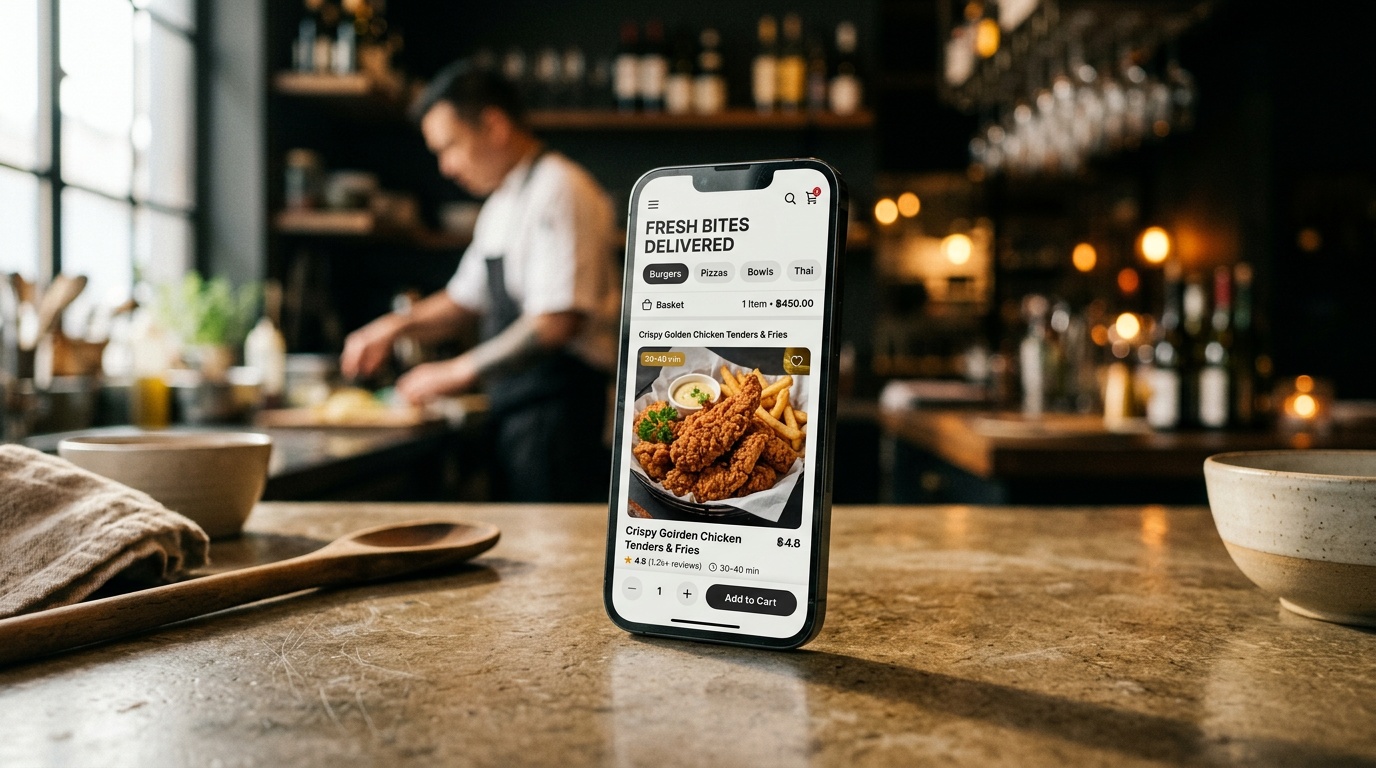
Open your listing on a phone and pick a dish as if you have never visited the restaurant. Can you see the food, understand the portion, choose an option and work out the total? Record missing photos, unclear descriptions, unavailable items and confusing modifiers. Prioritize best sellers and the dishes you want to promote, using your sales history rather than an arbitrary number of menu items.
Our recommendation is to review each image against the dish customers receive: ingredients, portion size and presentation should remain accurate. Editing a provided image should not introduce extra food, ingredients or toppings. Keep the original and the approved version so the team can review changes.
Set up Sponsored Listings with a defined review point
Uber describes Sponsored Listings as paid visibility within Uber Eats. Offers are a separate tool for customer deals. In Uber Eats Manager, the Marketing area provides campaign settings and performance reporting. Its help guide explains how to edit audiences, budgets and bids, and notes a 48-hour reporting lag.
Before launch, write down the location, budget, campaign start date, offer cost and who will review performance. Check the controls and terms shown in your own account. Our recommendation is to change one major variable at a time when practical, and record menu, price, opening-hour or promotion changes that could affect the comparison.
Build a baseline you can actually compare
Save daily completed orders, sales, ad spend, restaurant-funded discounts and trading hours before the test. Compare equivalent weekdays and note holidays, closures or unusual events. A change in total orders is not automatically caused by the campaign, especially when other parts of the business changed at the same time.
Work out contribution per order using your actual food, packaging, platform fees and discount costs. Then subtract advertising cost. A campaign can report positive revenue while leaving too little to cover those costs.
Keep website clicks separate from delivery orders
Use tagged links and website events to understand which campaigns bring visitors to your site and which visitors click an ordering link. Those events do not prove that an order was completed on a delivery platform. Report outbound clicks separately unless you have a confirmed purchase integration or matching platform report.
For Al Chick in Mississauga, our project combined menu creative, a rebuilt website and campaigns. The case study includes the actual website walkthrough and reported project results. It is an example of the scope of work, not a promise that another restaurant will see the same result.
Before we start
A few useful answers.
How quickly should I judge a campaign?
Wait for the platform reporting delay and enough comparable trading days to interpret the result. A few orders cannot establish a reliable trend. Decide your review date and spending limit before launch.
Will better images guarantee more orders?
No. Images are one part of the ordering experience. Availability, prices, delivery costs, ratings and the offer also affect the customer’s decision.
Your next project
Let’s put a plan together.
Tell us what needs to change. We’ll recommend a scope, explain the work, and agree the next steps with you.